In the high-stakes world of pharmaceuticals, moisture control isn’t just a detail—it’s a critical quality attribute. Ensure your supply chain is secure with this essential vetting framework.
Introduction
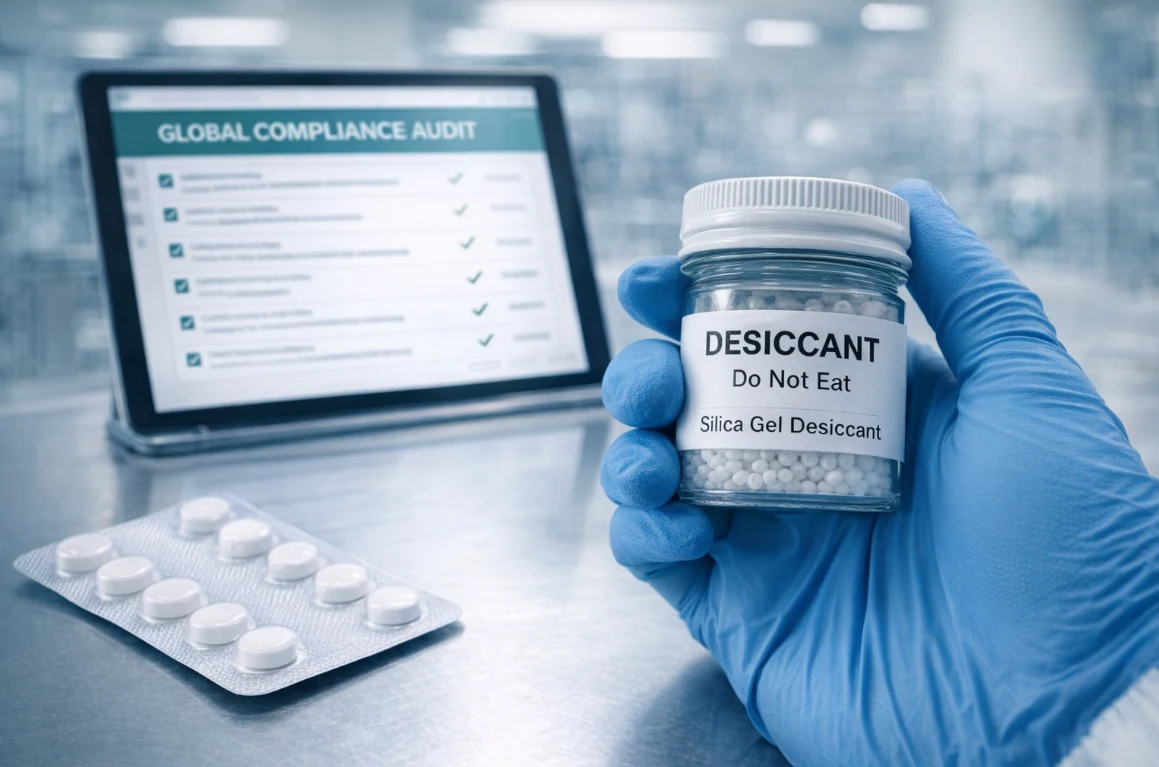
For pharmaceutical procurement professionals, sourcing primary packaging components is rarely a simple transactional process. It is a risk management exercise. When it comes to desiccant packaging—the packets, canisters, and integrated closures responsible for maintaining drug stability—the stakes are incredibly high.
A failure in a desiccant’s performance doesn’t just mean spoiled product; it means compromised patient safety, costly recalls, and severe reputational damage. Furthermore, the regulatory landscape for pharma packaging is constantly evolving across FDA, EMA, and PMDA jurisdictions.
You need more than just a vendor; you need a compliance partner. How do you distinguish a low-cost commodity seller from a high-reliability strategic supplier? This article provides a structured procurement checklist designed to vet pharma desiccant suppliers for global compliance and operational reliability.
The Vetting Checklist: 4 Pillars of Reliability
Use this framework during RFI/RFP stages and supplier audits to ensure your partner can meet the rigorous demands of the pharmaceutical industry.
Pillar 1: Regulatory & Quality Compliance (The Non-Negotiables)
If a supplier cannot demonstrate robust adherence to global quality standards, the conversation should end here. Desiccants used with injectables, solid dose, or diagnostic kits must meet stringent criteria.
The Checklist:
[ ] Active Drug Master File (DMF): Does the supplier hold an active Type III DMF with the US FDA?
Why it matters: An active DMF allows you to reference their proprietary manufacturing data in your own NDA/ANDA filings, streamlining regulatory approval without revealing their IP.
[ ] ISO 15378 Certification: Do they possess ISO 15378 (primary packaging materials for medicinal products) certification?
Why it matters: While ISO 9001 is a generic quality standard, ISO 15378 specifically incorporates cGMP principles relevant to pharma packaging. It is a superior indicator of pharma-readiness.
[ ] Pharmacopeia Compliance: Can they provide test reports confirming compliance with major pharmacopeias?
Key standards: USP <670> (Auxiliary Packaging Components), European Pharmacopoeia (EP), and Japanese Pharmacopoeia (JP).
[ ] cGMP Audit Readiness: Are their facilities operable under current Good Manufacturing Practices (cGMP)? Are they open to customer and third-party audits?
Pillar 2: Manufacturing Environment & Capabilities
You need assurance that the product is manufactured in an environment that matches the cleanliness requirements of your drug product.
The Checklist:
[ ] Cleanroom Operations: Are the desiccants manufactured and packaged in certified ISO Class 7 or Class 8 cleanrooms to prevent particulate and biological contamination?
[ ] Automated Inspection: Does the supplier utilize automated vision inspection systems to ensure accurate counts, seal integrity (for sachets), and dimensional accuracy?
[ ] Scalability: Can their current manufacturing capacity handle your forecasted peak volumes without compromising lead times or quality?
Pillar 3: Supply Chain Traceability & Resilience
In a volatile global market, knowing where your materials come from is as important as knowing who sells them.
The Checklist:
[ ] Raw Material Traceability: Can the supplier trace every batch of silica gel, molecular sieve, or packaging film back to its original source?
Tip: Ask for an example of a complete batch record during an audit.
[ ] Business Continuity Planning (BCP): Does the supplier have a documented BCP? Do they have dual manufacturing sites or secured backup inventory in different geographical regions to mitigate risks like natural disasters or geopolitical issues?
[ ] Change Control Notification: Do they have a robust change control agreement in place, guaranteeing they will notify you significantly in advance of any changes to raw materials, manufacturing processes, or site locations?
Pillar 4: Technical Support & Partnership Value
The best suppliers act as an extension of your R&D and Quality teams.
The Checklist:
[ ] Moisture Adsorption Modeling: Does the supplier have an applications engineering team that can help calculate necessary desiccant dosage based on your specific drug formulation, packaging permeability, and shelf-life goals?
[ ] Customization Capabilities: Can they provide tailored solutions (e.g., specific sizes, custom printing for patient safety, specialized shapes for automated insertion lines)?
[ ] Sustainability Roadmap: Are they developing eco-friendly alternatives (e.g., bio-based films or regenerable materials) that align with your company’s ESG goals?
Conclusion
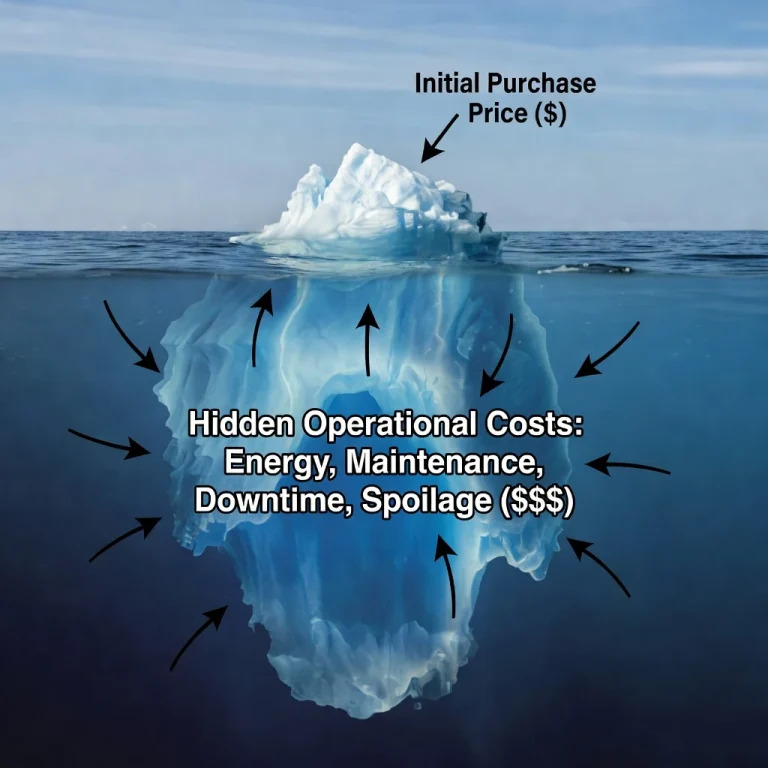
Vetting a pharmaceutical desiccant supplier is an investment in product integrity. By moving beyond price-per-unit and rigorously evaluating regulatory standing, manufacturing capability, and supply chain resilience, procurement teams can build a defensive moat against compliance risks.
Use this checklist to ask tough questions. A truly reliable supplier will not only welcome the scrutiny but will hold the answers that give you peace of mind.
Are you evaluating your current moisture protection strategy?
Contact our technical specialists today for a confidential consultation on regulatory compliance and desiccant optimization for your next product launch.
Related reading: Setting Industry Standards: Tianhua Leads the Drafting of China Group Standards for Pharmaceutical Oxygen Absorbers.